
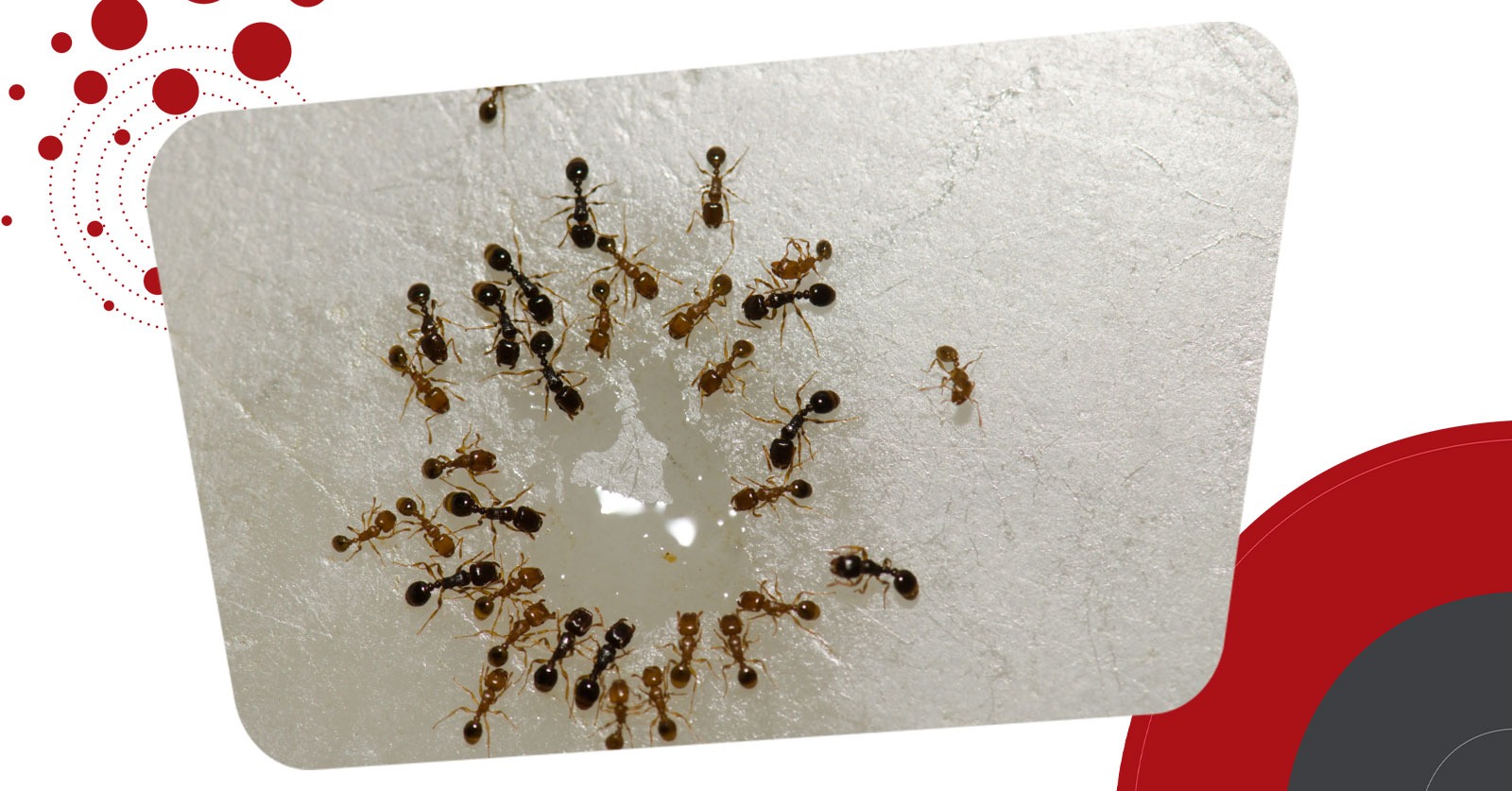
Ants can quickly become a problem in kitchens, pantries, and other parts of your home. Once they find food, they often keep coming back with more ants.
In this guide, we’ll show you simple DIY homemade ant trap and killer methods using everyday household ingredients.
You’ll learn how to make:
- A borax and sugar ant trap
- A baking soda ant trap
- A liquid borax ant bait
- A sweet paste ant trap
- Natural barrier methods to help stop ants from returning
We’ll also explain where to place traps, how long they take to work, and how to prevent ants naturally.
These methods are simple, affordable, and helpful for managing small ant problems at home.
Why Ants Enter Your Home
Ants usually enter your home because they are searching for food, water, or a safe place to stay. Even small crumbs, sugary spills, or uncovered food can attract them quickly. They are also drawn to moisture, so leaking taps, wet sinks, or damp areas can invite ants inside. Sometimes ants enter through tiny cracks or gaps around doors, windows, or walls, and once they find food, they leave scent trails that lead more ants into your home.
Signs You Have an Ant Problem
One of the first signs of an ant problem is seeing ants moving in lines, especially around kitchens, pantries, or rubbish areas. You may notice ants returning to the same spots every day or appearing near food containers and sinks. In some cases, small dirt piles near walls or floor edges may also appear, which can mean ants are building nests nearby. If the number of ants keeps increasing over time, it usually means the colony is growing and needs attention.
DIY Homemade Ant Trap Methods
These simple methods use everyday ingredients. Follow the steps carefully and place the traps where ants are active.
Method 1: Borax and Sugar Ant Trap
This is one of the most commonly used homemade methods because ants are strongly attracted to sugar.
What You’ll Need
- 1 tablespoon borax powder
- 2 tablespoons sugar
- A small amount of water
- Small lids, bottle caps, or shallow containers
- A spoon for mixing
Step-by-Step Instructions
- Add the sugar and borax into a small bowl.
- Mix them together until well combined.
- Slowly add a few drops of water while stirring.
- Continue mixing until a thick paste forms. It should not be too watery.
- Spoon a small amount of the paste into lids or bottle caps.
- Place the containers near ant trails or areas where ants are entering your home.
How This Method Works
Sugar attracts ants because they enjoy sweet foods.
When ants find the mixture, they carry small amounts back to their nest. Over time, this helps affect more ants in the colony rather than just the ones you see. This is why results may take a few days to become noticeable.
Helpful Tips
- Check the mixture every 2–3 days.
- Add a few drops of water if it dries out.
- Replace the mixture if it becomes dirty.
Method 2: Baking Soda and Sugar Ant Trap
This method is quick to prepare and uses simple kitchen ingredients.
What You’ll Need
- 1 tablespoon baking soda
- 1 tablespoon powdered sugar
- Small lids or shallow containers
- A spoon
Step-by-Step Instructions
- Place baking soda and powdered sugar into a bowl.
- Mix them until the powder looks even.
- Spoon small amounts into shallow lids.
- Place the lids along visible ant trails.
- Leave the traps undisturbed so ants can easily reach them.
How This Method Works
Powdered sugar attracts ants to the mixture.
When ants consume the mixture, the baking soda interacts inside their bodies. Over time, this can help reduce the number of ants that return to the same area.
Helpful Tips
- Replace the powder every few days if it becomes wet.
- Avoid placing the mixture directly on cooking surfaces.
Method 3: Liquid Borax Ant Trap
Liquid mixtures are useful when ants are attracted to sweet liquids.
What You’ll Need
- 2 tablespoons sugar
- 1 tablespoon borax powder
- 2 tablespoons warm water
- Small bottle caps or shallow containers
- A spoon
Step-by-Step Instructions
- Add sugar into a bowl.
- Pour warm water over the sugar and stir until dissolved.
- Add borax powder and mix until well blended.
- Pour small amounts into bottle caps or shallow containers.
- Place the caps near areas where ants are commonly seen.
How This Method Works
The sweet liquid attracts ants quickly.
Because the mixture is liquid, ants can easily carry it back to their nest. This allows the mixture to reach more ants in the colony over time, helping reduce activity.
Helpful Tips
- Check the liquid every few days.
- Add water if the mixture dries out.
- Clean any spills to avoid sticky surfaces.
Method 4: Honey and Borax Paste Trap
What You’ll Need
- 1 tablespoon honey
- 1 teaspoon borax powder
- Small pieces of cardboard or thick paper
- A spoon
Step-by-Step Instructions
- Place honey into a small bowl.
- Add borax powder to the honey.
- Mix slowly until a thick paste forms.
- Place small amounts of the paste onto cardboard pieces.
- Set the cardboard near entry points or ant paths.
How This Method Works
The sweet smell of honey attracts ants quickly.
The thick paste allows ants to collect small portions and carry them back to their nest. This helps affect more ants beyond the ones seen on surfaces.
Helpful Tips
- Use small amounts to avoid sticky messes.
- Replace cardboard if it becomes dirty or dry.
- Keep the cardboard flat for easy access.
Natural Barrier Method: Vinegar Spray
This method helps interrupt scent trails and reduce returning ants.
What You’ll Need
- Equal parts vinegar
- Equal parts water
- Spray bottle
Step-by-Step Instructions
- Pour vinegar and water into a spray bottle.
- Shake gently to mix the solution.
- Spray along visible ant trails.
- Spray around cracks, doors, and windows.
- Wipe the sprayed area with a cloth.
How This Method Works
Ants rely on scent trails to find their way to food.
Vinegar helps remove these scent trails, making it harder for ants to follow the same path again. This can reduce repeat visits to the same areas.
Where to Place Homemade Ant Traps and Killers
Placement makes a big difference.
Best Locations
- Along visible ant trails
- Near cracks and entry points
- Under sinks
- Behind appliances
- Along skirting boards
- Near rubbish bins
Important:
Keep traps away from children and pets.
How Long Homemade Ant Traps Take to Work
DIY ant traps do not work instantly.
What to Expect
- You may see more ants at first
- Results usually start within a few days
- Replace bait when it dries out
- Larger infestations take longer
Patience is important.
Natural Ways to Prevent Ants From Returning
Preventing ants from coming back is just as important as dealing with the ones you see. Keeping your kitchen and other areas clean is key – wipe up spills immediately, clean surfaces daily, and store food in sealed containers. Empty rubbish bins regularly and make sure pet food isn’t left out overnight. Fix any leaking taps or pipes, seal cracks and small gaps around doors and windows, and keep floors tidy. These simple habits make it much harder for ants to find food and water, helping keep your home ant-free in the long term.
Safety Tips When Using Borax and Homemade Ant Killers
Safety is very important when using DIY methods.
Safety Guidelines
- Keep mixtures out of reach of children
- Keep traps away from pets
- Avoid placing bait near food preparation areas
- Wash hands after handling borax
- Use small amounts only
- Dispose of unused mixtures safely
Always use care when handling ingredients.
When DIY Ant Traps May Not Be Enough
Some ant problems are harder to control.
DIY methods may not work if:
- There is a large infestation
- Ant nests are inside walls
- Outdoor nests are very close to the house
- Ants keep returning after repeated treatment
In these situations, professional pest control may be required.
Final Tips for Managing Ants at Home
DIY homemade ant traps can help manage small ant problems using simple household ingredients. Borax-based methods are among the most effective options, and natural barriers like vinegar can help prevent ants from returning. Correct placement of traps, regular checks, and maintaining good cleaning habits are key to long-term success.
If ants continue to return or the infestation becomes too large, professional assistance may be the safest and most effective solution. At Brisbane Commercial Cleaning and Pest Control, we are experts in pest management and can help you eliminate ants safely and efficiently. Contact us today on 0433-369-592 for professional advice and service.
Frequently Asked Questions (FAQ)
How do you make a borax ant trap at home?
Mix borax with sugar and a little water to make a thick paste. Place small amounts near ant trails.
Is borax effective for controlling ants?
Yes, it works slowly, allowing ants to carry it back to the nest, reducing the colony over time.
What is the best DIY ant trap?
A simple mixture of borax and sugar is the most effective and easy-to-use method.
How long does borax take to work on ants?
You may see fewer ants in a few days, but larger infestations can take one to two weeks.
Where should ant traps be placed for best results?
Place traps along ant trails, near entry points, behind appliances, and near rubbish bins. Keep out of reach of children and pets.
About the Author

Matt
Matt has over 15 years of experience in cleaning and pest management, and is a licensed pest control expert. He is passionate about helping homeowners and businesses keep their spaces safe, clean, and pest-free. Matt shares practical tips and expert advice to make cleaning and pest control simple and effective for everyone.